
ADHD AND HOMOEOPATHY
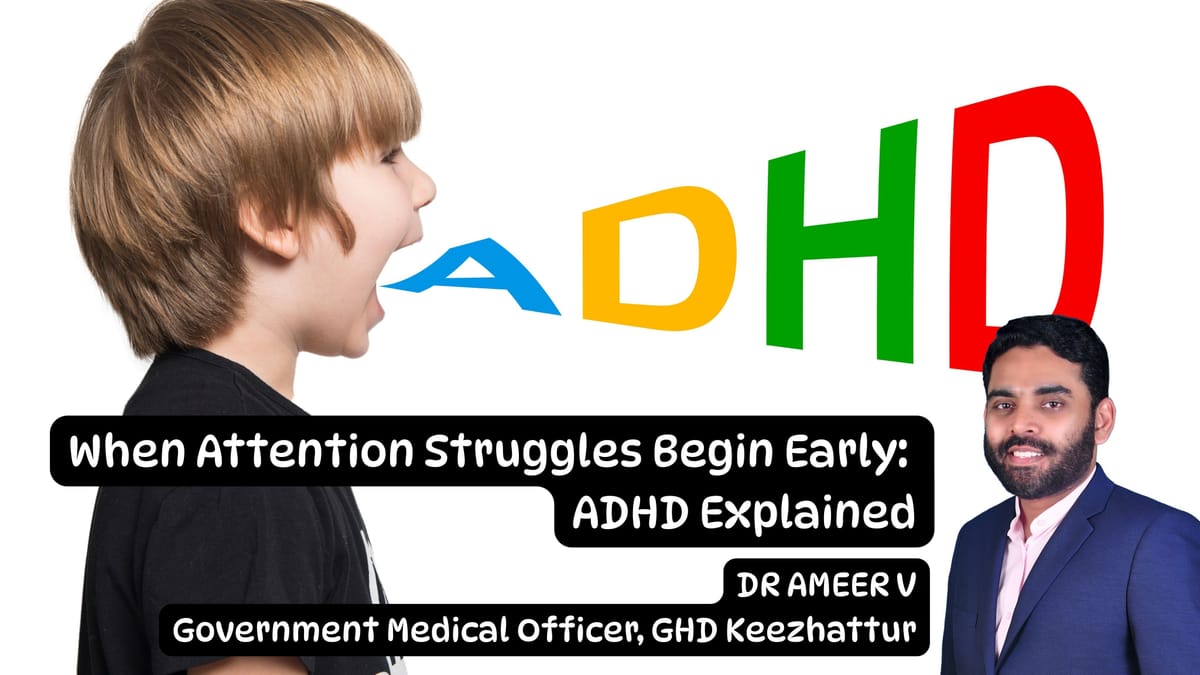
Attention Deficit Hyperactivity Disorder (ADHD) is a neurodevelopmental condition that typically begins in childhood and can continue through adolescence and adulthood. It affects how a person pays attention, regulates impulses, and manages activity levels.
ADHD is not caused by poor parenting, lack of discipline, or laziness. Instead, it is linked to differences in brain development and brain chemistry. With proper understanding and support, individuals with ADHD can lead successful and fulfilling lives.
Main Symptoms of ADHD
ADHD symptoms usually appear before the age of 12 and are present in more than one setting, such as home, school, or social environments. Not everyone with ADHD experiences the same symptoms or severity.
1. Inattention
- Difficulty focusing on tasks or following instructions
- Easily distracted by surroundings
- Frequently forgetting homework, chores, or daily activities
- Trouble organizing tasks and managing time
2. Hyperactivity
- Constant movement, fidgeting, or restlessness
- Difficulty sitting still for extended periods
- Excessive talking
- Difficulty playing or working quietly
3. Impulsivity
- Acting without thinking about consequences
- Interrupting conversations or activities
- Difficulty waiting for turns
- Emotional outbursts or impatience
Causes and Risk Factors
While the exact cause of ADHD is not fully understood, research suggests several contributing factors:
- Genetic influences (ADHD often runs in families)
- Differences in brain structure and neurotransmitter activity
Prenatal and Early-Life Risks
- Smoking or alcohol use during pregnancy
- Premature birth or low birth weight
How ADHD Is Diagnosed
There is no single medical test for diagnosing ADHD. Instead, diagnosis involves a comprehensive evaluation that may include:
- Behavioral assessments and symptom checklists
- Reports from parents, teachers, or caregivers
- Developmental and medical history
- Evaluation by a Registered Practitioner
Diagnosis ensures that symptoms are persistent, age-inappropriate, and not better explained by another condition.
Treatment and Management
ADHD can be effectively managed with the right strategies. Treatment plans are usually tailored to the individual and may include:
- Behavioral therapy to improve self-control and coping skills
- Parent training programs to support positive behavior at home
- Educational accommodations and support at school
- Medication, when appropriate, to help regulate attention and impulse control
The most effective approach often combines multiple strategies.
HOMOEOPATHIC MANAGEMENT
Homeopathy showed measurable effectiveness in children with ADHD, with parent-rated symptoms significantly reduced under homeopathic treatment. Children receiving individualized homeopathic remedies demonstrated notable improvements in behavioral symptoms, impulsivity, attention, and cognitive performance.
Overall, the findings suggest that homeopathic treatment may positively influence both behavioral and cognitive functions in children with ADHD.
Conclusion
ADHD is not a weakness—it is simply a different way the brain functions. With early diagnosis, appropriate treatment, and supportive environments, individuals with ADHD can reach their full potential.
Awareness, patience, and understanding make a lasting difference in helping them succeed.
DR AMEER V
Government Medical Officer, GHD Keezhattur
📞 8893168801